Fast, licensed water removal for homes and businesses across the Conejo Valley
Water extraction Westlake Village CA done right the first time
When a pipe bursts or a toilet overflows, standing water starts damaging your floors within minutes. Our team provides water extraction Westlake Village CA homeowners can count on, arriving with truck-mounted units and industrial air movers to pull water out of carpet, subflooring, and drywall. We serve North Ranch, Westlake Island, and Three Springs, and we bill most insurance jobs directly. Call (833) 321-7153 and we'll be on our way.
Live phone supportUpfront optionsBacked workmanship
What's included
What our water extraction service includes
Every water extraction job includes the full response: emergency dispatch, moisture mapping, extraction, drying setup, daily monitoring, and a final report. We handle the water and the drying. Structural repairs like replacing drywall or flooring are quoted separately once the space is dry, so you always know what you are paying for.
Emergency dispatch and water shutoff
We answer 24/7 and dispatch a crew with extraction equipment loaded. On arrival we shut off the water source if it is still running, then confirm the water category before anyone starts work.
Moisture mapping and documentation
We walk the space with a moisture meter, thermal imaging camera, and hygrometer, then map the wet zone on a floor plan. Photos and readings go into your file and are formatted for insurance claims.
Standing water extraction
Truck-mounted and portable extraction units pull water from carpet, pad, hardwood, tile grout lines, and subflooring. A sump pump handles deeper water in basements and crawl spaces.
Antimicrobial treatment
After extraction we apply antimicrobial solution to affected framing, baseboards, and subflooring. This is standard on category 2 and category 3 water and helps prevent mold during the drying cycle.
Drying equipment and daily monitoring
We place industrial air movers, dehumidifiers, and air scrubbers based on room size and layout. A technician checks readings every 24 hours and adjusts equipment until the structure hits dry standard.
Final moisture report
When readings match a dry reference of the same material, we remove equipment and leave you a written drying log. That report documents the job for your insurance carrier and for your own records.
Service overview
What water extraction Westlake Village CA really involves
Water extraction Westlake Village CA is the mechanical removal of standing water from a structure using truck-mounted or portable extraction units, followed by moisture mapping and structural drying. It is not the same as mopping up a spill. We use a moisture meter, thermal imaging camera, and hygrometer to find water hiding behind baseboards, under subflooring, and inside wall cavities. Every job follows the ANSI/IICRC S500 standard, which sets the drying goals we measure against before we pack up.
Most calls we get in Westlake Village start the same way: a slab leak under a kitchen floor, a burst pipe behind a laundry wall, or a toilet overflow that soaks through carpet and pad. Homes built in the 1970s and 1980s around Foxmoor and Westlake Trails often have original copper supply lines that fail at the fittings. If you need water removal near me in Westlake Village, California, the sooner we start extracting, the less drywall and insulation we have to cut out.
How we workWe verify the cause, compare realistic options, and confirm the repair before we leave.
The service timeline
How our water extraction process works
The process flexes to the condition, but these checkpoints keep decisions clear.
Emergency call
You call (833) 321-7153 and describe what happened. We ask about the water source, how long it has been running, and whether sewage is involved. That tells us what equipment to load. For a burst pipe or toilet overflow, we treat it as an emergency and roll a truck immediately.
Inspection and mapping
On arrival we shut off the water if it is still running, then walk the space with a moisture meter, thermal imaging camera, and boroscope inspection camera. We map the wet zone on a floor plan, photograph readings, and identify the water category: clean, gray, or black. This takes 30 to 45 minutes on a typical job.
Extraction
We pull standing water with truck-mounted water extraction units and portable units for tight spaces. Carpet gets extracted in place, then pad is pulled and discarded if saturated. A sump pump handles deeper water in a flooded basement or crawl space. Most residential extraction runs two to four hours.
Drying setup
We place industrial air movers and dehumidifiers based on the size and layout of the wet area. A desiccant dehumidifier goes in when humidity is high or the space is closed off. We set plastic sheeting to contain the drying zone, then log initial temperature, humidity, and moisture content readings.
Daily monitoring
A technician returns every 24 hours to check readings with a hygrometer and moisture meter, adjust equipment placement, and document progress. We dry to the ANSI/IICRC S500 standard, not to the touch. When readings match a dry reference of the same material, we remove equipment and leave you a final report.
Tools & methods
Equipment and methods we use
Purpose-built equipment, used by trained technicians, so the job is done accurately the first time.
Truck-mounted water extraction unit
Pulls large volumes of standing water from carpet and hard surfaces far faster than a portable unit. Standard on every residential and commercial call.
Moisture meter and hygrometer
Measures moisture content in drywall, wood, and subflooring, and tracks relative humidity in the drying zone. We log readings daily to confirm progress toward dry standard.
Thermal imaging camera
Reveals temperature differences that point to hidden moisture behind walls, under floors, and above ceilings. Finds water you cannot see or feel.
Industrial air mover and dehumidifier
Air movers evaporate moisture from wet materials while dehumidifiers pull that moisture out of the air. Together they drive the drying cycle.
Air scrubber
Runs HEPA filtration to capture mold spores, dust, and debris stirred up during extraction and demolition. Standard on category 3 and mold-related jobs.
Boroscope inspection camera
Slides into wall cavities and ceiling voids to confirm moisture and find the source of a leak without tearing out more material than necessary.
Sump pump
Removes deeper standing water from flooded basements and crawl spaces before extraction units can reach the surface.
Use cases
When to call for water extraction
These examples show how the service framework adapts rather than forcing every call through one repair.
Toilet overflow in a North Ranch bathroom
A toilet overflow pushed category 3 water across the bathroom tile and into the hallway carpet, soaking pad and subflooring across roughly 120 square feet. The water had been sitting for about six hours. → We extracted the water, removed and disposed of contaminated carpet and pad, disinfected with antimicrobial solution, and ran air scrubbers overnight. The subfloor read dry in four days.
Water heater failure in Three Springs
A 12-year-old water heater failed overnight and released about 40 gallons into the garage and laundry room. Water reached the base of the laundry room drywall and soaked the carpet in the adjacent hallway. → We extracted standing water, pulled wet carpet and pad, dried the drywall and concrete over three days, and left the space ready for the new water heater. Moisture readings confirmed dry standard before we removed equipment.
Problems we solve
Water problems we solve for Westlake Village homeowners
Most water damage we see in Westlake Village comes from a handful of sources. Each one behaves differently and needs a different extraction approach. Here is what we run into and how we handle it.
Slab leak under a kitchen or bathroom floor
We locate the leak with a thermal imaging camera, extract water from the affected flooring and wall cavities, and dry the slab and framing to dry standard. Once the structure is dry, we coordinate the plumbing repair so the leak is fixed before we close anything up.
Burst pipe behind a laundry or bathroom wall
We shut off the water, open the wall to access the cavity, and extract standing water with portable units. Wet insulation comes out, framing gets treated with antimicrobial solution, and we dry the cavity with directed air movers before any drywall goes back.
Toilet overflow that reaches carpet and pad
We extract the water, remove and dispose of contaminated carpet and pad, disinfect the subflooring with antimicrobial solution, and run air scrubbers to clear the air. Drying equipment stays until moisture readings confirm the subfloor is dry.
Roof leak staining a ceiling
We trace the leak with a boroscope inspection camera, extract any pooled water, and dry the ceiling cavity. If the drywall is compromised we remove the damaged section, treat the framing, and dry the space before repairs.
Pricing process
What water extraction costs
$500 - $2,500 for most residential jobs, depending on scope
Water category
Clean water from a supply line is the simplest job. Category 3 water from a sewage backup requires removal of contaminated materials, disinfection, and air scrubbing, which adds labor and disposal cost.
Square footage affected
Extraction and drying are priced by the area involved. A 100-square-foot bathroom is a different job than a 600-square-foot finished basement, and equipment counts scale with the space.
Materials involved
Carpet and pad can often be dried or replaced cheaply. Hardwood, engineered flooring, and cabinetry take longer to dry and may need removal, which raises the total.
How much does water extraction cost in Westlake Village CA?
Most residential jobs run $500 to $2,500 in 2026, depending on how much water there is and how many rooms are affected. A single flooded bathroom with carpet extraction and three days of drying typically lands near the lower end. A flooded basement with sewage cleanup and cut-out drywall runs higher. If the damage is covered, your insurance usually pays most of it, and we bill the carrier directly.
Who does water removal near me in Westlake Village, California?
We do. Water Damage Restoration Westlake Village handles water removal in Westlake Village and the surrounding Los Angeles County area, including North Ranch, Westlake Island, and Three Springs. We are open 24/7 for emergencies and can be reached at (833) 321-7153. If you are searching for water extraction near me Westlake Village, call and we will confirm a crew is available before you hang up.
How long does water extraction take in Westlake Village CA?
The extraction itself usually takes two to four hours for a single room. The full drying cycle is three to five days for most homes, sometimes longer for a flooded basement or a crawl space with limited airflow. We check moisture readings every 24 hours and pull equipment the day you hit dry standard. You get a written drying log at the end.
Does water extraction prevent mold in Westlake Village?
Yes, if it happens fast enough. Mold needs 24 to 48 hours of moisture to colonize drywall and insulation. Extracting standing water, removing saturated pad, and running air scrubbers with HEPA filtration removes both the water and the airborne spores. We also apply antimicrobial solution to affected framing. When we finish, we verify with a moisture meter that the structure is dry, not just dry to the touch.
Related services
Related Services
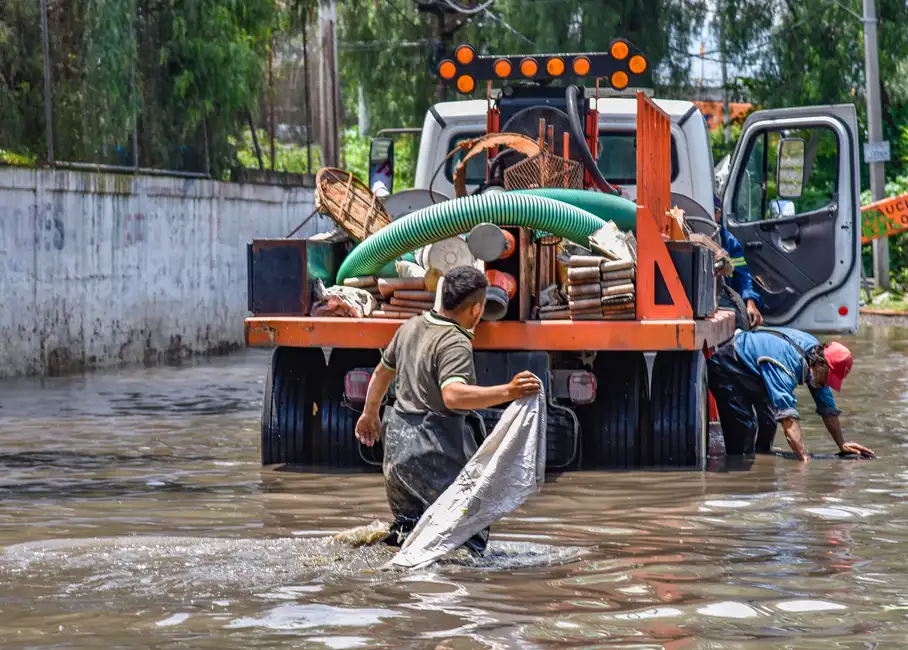
flood restoration services
When a storm or burst main pushes water through your home, flood restoration services pick up where extraction ends. We dry the structure, repair damaged drywall and baseboard, and return the space to pre-loss condition for Westlake Village homeowners.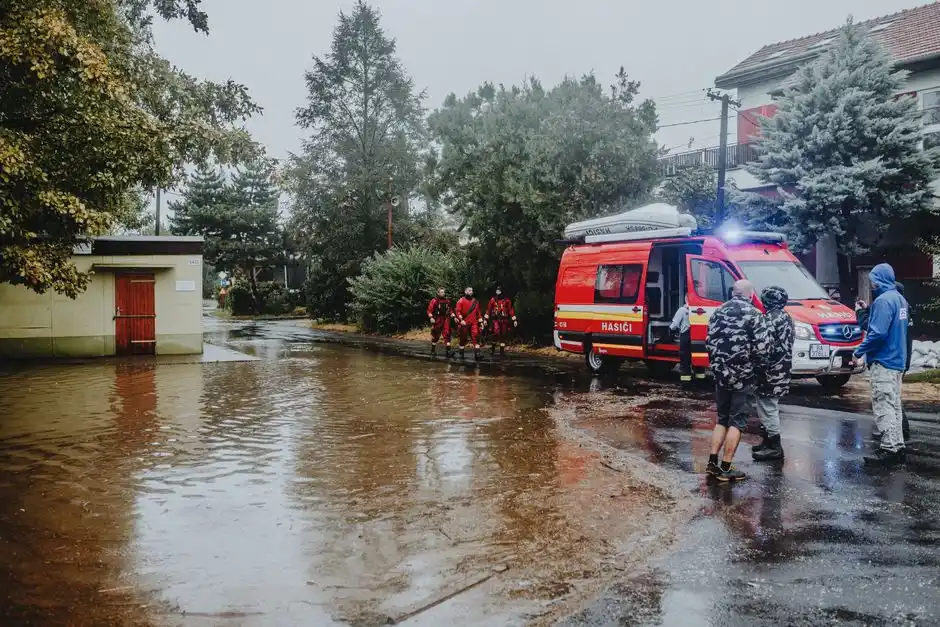
emergency water removal
Emergency water removal is the first call after a pipe bursts at 2 a.m. or a water heater lets go before a holiday. We dispatch immediately, shut off the source, and start extracting so the water does not spread into adjacent rooms.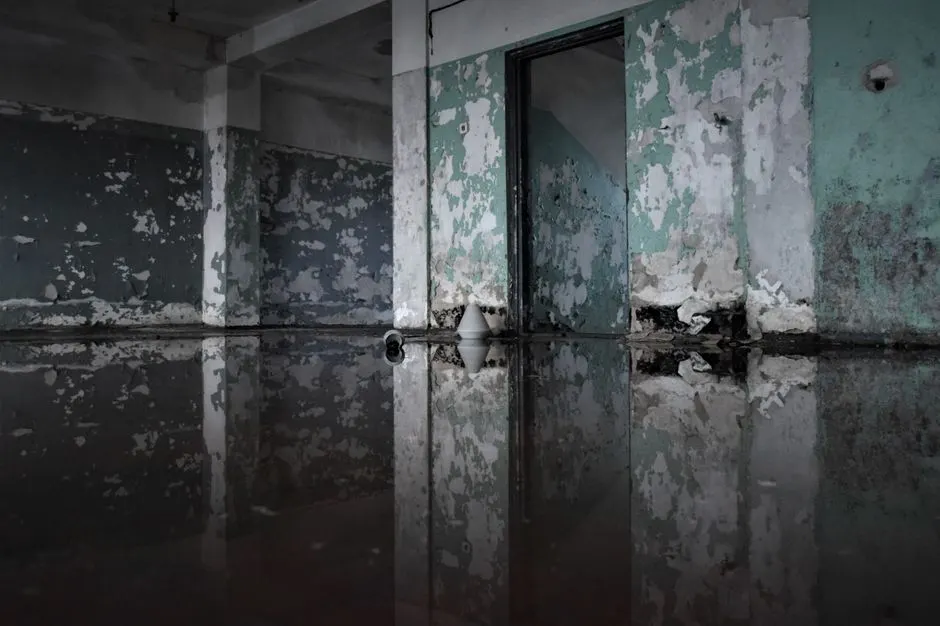
mold remediation after water damage
If water sat too long, mold can take hold in drywall, insulation, and crawl spaces. Our mold remediation after water damage service follows ANSI/IICRC S520 and pairs with extraction so the moisture problem is fixed, not just painted over.Ready when you are
Need water extraction Westlake Village CA right now?
We answer the phone 24/7 and dispatch crews with extraction and drying equipment already loaded. Licensed, insured, and billing most insurance carriers directly. Call (833) 321-7153 and we will tell you exactly when we will be there.
Talk with the local team
Request water extraction
We answer the phone 24 hours a day, including weekends and holidays. Call (833) 321-7153 and a live dispatcher will get a crew moving to your address, usually within 45 to 60 minutes anywhere in Westlake Village and the surrounding Los Angeles County area.