
Standing water out, drying started, damage stopped
Rapid water extraction Westlake Village CA, done right the first time
When water hits your floor, every hour counts. Our rapid water extraction Westlake Village CA crew pulls standing water out of carpets, subflooring, and crawl spaces before it spreads, then starts drying the same visit. We handle burst pipes, toilet overflows, and storm intrusion across Los Angeles County. Call and we roll.
Live phone supportUpfront optionsBacked workmanship
What's included
What our rapid water extraction includes
Every extraction job includes the water removal, the moisture mapping, and the drying setup. Here is what is standard on a Westlake Village job and what we add when the situation calls for it.
Standing water removal
Truck-mounted and portable water extraction units pull standing water from carpet, hard floors, and low spots. A sump pump handles basements and crawl spaces where the water is too deep for a wand.
Moisture mapping
We read the structure with a moisture meter, hygrometer, and thermal imaging camera, and check wall cavities with a boroscope inspection camera. You get a map of what is wet before we set equipment.
Drying equipment setup
Industrial air movers and dehumidifiers go down the same visit, positioned based on the moisture map. We use Dri-Eaz and Phoenix Restoration Equipment units and return daily to log readings.
Antimicrobial treatment
Affected surfaces get an antimicrobial solution and disinfectant where the water category calls for it. Sewage backup and toilet overflow jobs get full containment and an air scrubber.
Insurance documentation
Photos, moisture logs, and an Xactimate scope go to your adjuster. That paperwork is often the difference between a smooth claim and a fight over what was wet.
Final dry verification
We do not pull equipment until readings match a dry standard. You get a final report showing the structure is dry, which protects you if mold shows up later.
Service overview
What rapid water extraction Westlake Village CA actually involves
rapid water extraction Westlake Village CA is the emergency removal of standing water from a home or business using truck-mounted and portable extraction units, followed by measured drying. It is what you call when a supply line lets go, a toilet overflows, or a storm pushes water under a door. We pull the bulk water first, then map moisture with a moisture meter and thermal imaging camera so nothing hides behind baseboard or under subflooring.
Westlake Village homes sit between the Santa Monica Mountains and the 101, and that layout creates its own water problems. Winter storms in November through March send runoff against garage doors and into crawl spaces, while indoor failures like a slab leak or under sink leak happen year-round. When you need fast water removal Westlake Village wide, we route trucks from the 91361 and 91362 side of town so the drive is short.
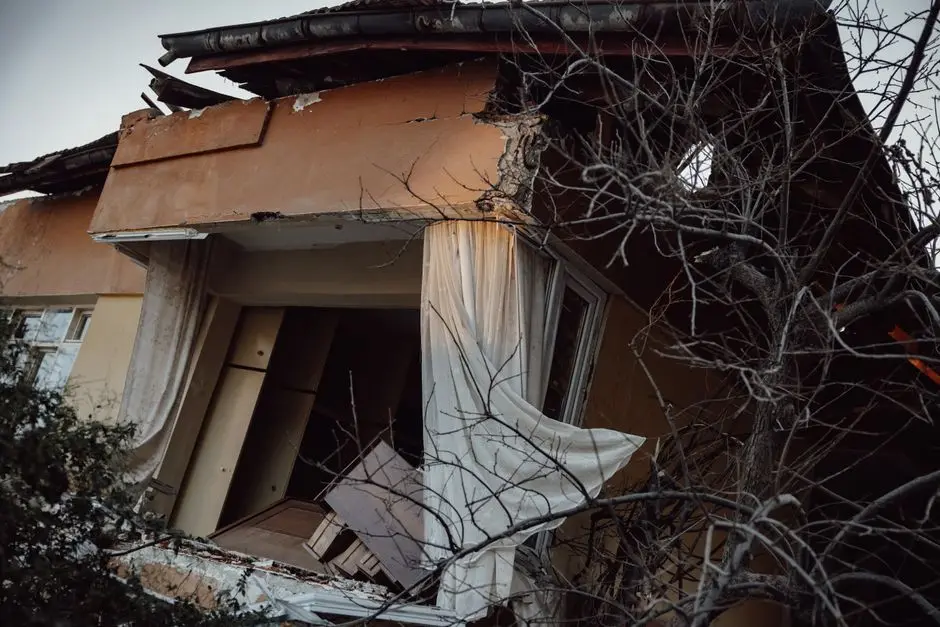
How we workWe verify the cause, compare realistic options, and confirm the repair before we leave.
The service timeline
What to expect when we arrive
The process flexes to the condition, but these checkpoints keep decisions clear.
Call and triage
You reach a person, not a voicemail. We ask where the water is coming from, whether it is clean or contaminated, and whether the power is safe. That tells us what to load on the truck and whether to bring a sump pump for a flooded basement or crawl space moisture job.
Stop the source
Before we extract, we shut off the supply. If it is a burst pipe or under sink leak, we close the valve and confirm the flow has stopped. For a roof leak or storm intrusion, we tarp or board what we can so the next rain does not undo the work.
Extract the water
We run water extraction units and wet vacuums across the floor, then switch to smaller heads for edges and closets. A sump pump handles standing water in a basement or crawl space. Most single-room jobs take two to four hours of extraction before drying starts.
Map and dry
We read moisture with a moisture meter and hygrometer, check wall cavities with a boroscope inspection camera, and set industrial air movers and dehumidifiers. Drying usually runs three to five days, and we return daily to log readings and adjust equipment.
Verify and close out
We do not pull equipment until the readings match a dry standard. You get a final moisture report with photos, which is the document your insurance adjuster wants to see. Then we walk the job with you and explain what to watch for over the next week.
Tools & methods
Equipment and standards we work to
Purpose-built equipment, used by trained technicians, so the job is done accurately the first time.
Water extraction unit
Truck-mounted and portable units pull standing water out of carpet, pad, and hard floors. This is the first tool on the job and the one that saves flooring.
Moisture meter and hygrometer
We read moisture content in materials and relative humidity in the air. The numbers tell us where to place equipment and when the job is actually dry.
Thermal imaging camera
Finds temperature differences that point to hidden moisture behind walls and under floors, so we do not miss a wet cavity.
Industrial air mover and dehumidifier
Dri-Eaz and Phoenix Restoration Equipment air movers evaporate moisture, and dehumidifiers pull it out of the air. Together they dry the structure.
Boroscope inspection camera
Lets us look inside wall cavities and under cabinets without tearing everything open. We confirm moisture before we cut.
Air scrubber
Filters airborne particles on sewage backup and mold jobs. It keeps the rest of the house clean while we work.
Sump pump
Moves standing water out of basements and crawl spaces where an extractor wand cannot reach.
Use cases
When to call for extraction
These examples show how the service framework adapts rather than forcing every call through one repair.
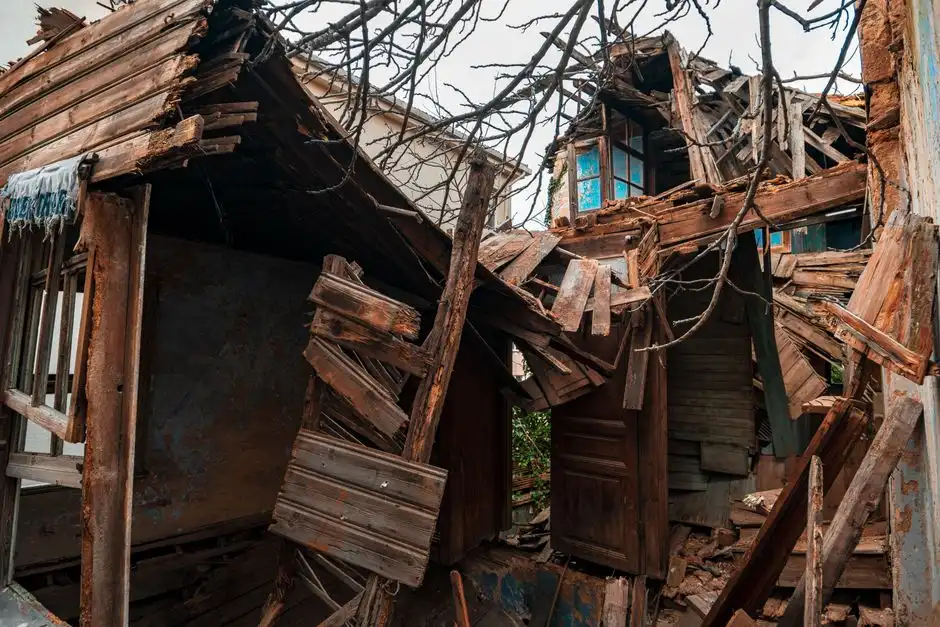
Crawl space after January storms, Three Springs
Storm runoff entered the crawl space through a vent and left two inches of standing water over the vapor barrier. The joists were reading high on the moisture meter, and the homeowner noticed a musty smell. → We pumped the standing water with a sump pump, extracted the rest, and dried the joists with air movers and a dehumidifier. Readings came down over five days, and the musty odor cleared once the space was dry.
Second-floor toilet overflow, Foxmoor
A toilet overflow on the second floor sent water through the ceiling below. The bathroom floor, the ceiling drywall, and the insulation were wet, and the ceiling showed a water stain by morning. → We extracted upstairs, opened the ceiling, and dried the framing. The affected insulation was removed and replaced, and the ceiling was repaired after the framing read dry. The job closed out in six days.
Problems we solve
Water problems we solve before they get worse
Most of the calls we take are one of a handful of failures. Each one has a short window before the damage jumps from a drying job to a rebuild.
Burst pipe with water under the floor
We shut the supply, extract from the surface, then use a moisture meter and thermal imaging camera to find what traveled. Drying equipment goes into the cavity so the subflooring dries in place.
Toilet overflow with contaminated water
We extract, remove affected pad, treat with antimicrobial solution and disinfectant, and run an air scrubber. The area is verified dry before anything goes back down.
Slab leak you cannot see
We map the moisture, extract what has surfaced, and dry the affected area. If the leak is active, we coordinate the repair before drying so the water does not come back.
Storm water at the garage or crawl space
We pump and extract, then dry the joists and subflooring with air movers and a dehumidifier. Readings are logged until the space is dry.
Pricing process
What rapid water extraction costs
$350 - $1,200 for a single-room extraction and drying setup
Square footage affected
More floor area means more extraction time and more drying equipment. A single room is a different job than a whole floor.
Water category
Clean water is the simplest. Gray water and contaminated water from a toilet overflow or sewage backup add disinfection, containment, and disposal.
How long water sat
Water that sat overnight is a drying job. Water that sat a week often means mold remediation and demolition, which raises the scope.
How fast is rapid water extraction in Westlake Village CA?
Most crews arrive within 60 to 90 minutes of your call, and extraction itself usually takes two to four hours for a single room. We start pulling water the moment we walk in, then set drying equipment the same visit. For a flooded basement or a larger storm intrusion, plan on a longer extraction block before drying begins.
Who offers fast water removal near me in Westlake Village, California?
We do, and we answer the phone 24/7. Our team handles fast water removal Westlake Village wide, from North Ranch to Foxmoor, and we bring the extraction units, air movers, and dehumidifiers on the first trip. You do not need to call a second company for drying.
How much does rapid water extraction cost in Westlake Village CA?
Typical 2026 pricing runs $350 to $1,200 for a single-room extraction and drying setup, and larger jobs with demolition or sewage cleanup run higher. Square footage, water category, and how long the water sat are the big drivers. We scope in Xactimate so your insurance adjuster sees the same numbers we do.
Does rapid water extraction prevent mold in Westlake Village?
It is the single best thing you can do to prevent it. Mold needs moisture, and extraction plus measured drying removes that moisture before growth can start, usually within the first 24 to 48 hours. We follow ANSI/IICRC S500 and log daily readings so the structure is verified dry, not just dry to the touch.
Related services
Other services that pair with extraction
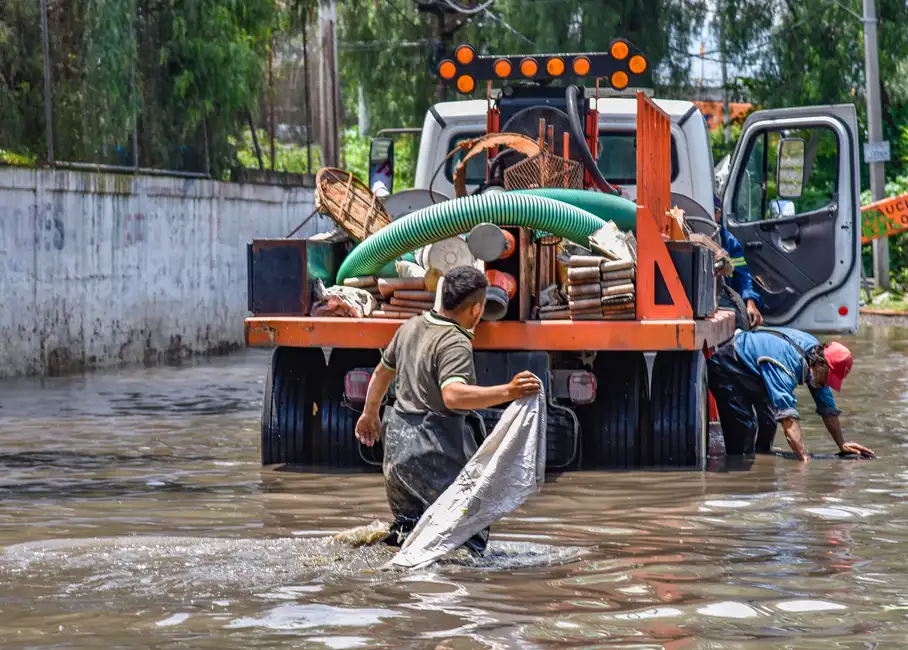
flood restoration services
When storm runoff or a failed sump pump floods a room, flood restoration services pick up where extraction ends: drying, sanitizing, and rebuilding the affected drywall and baseboard.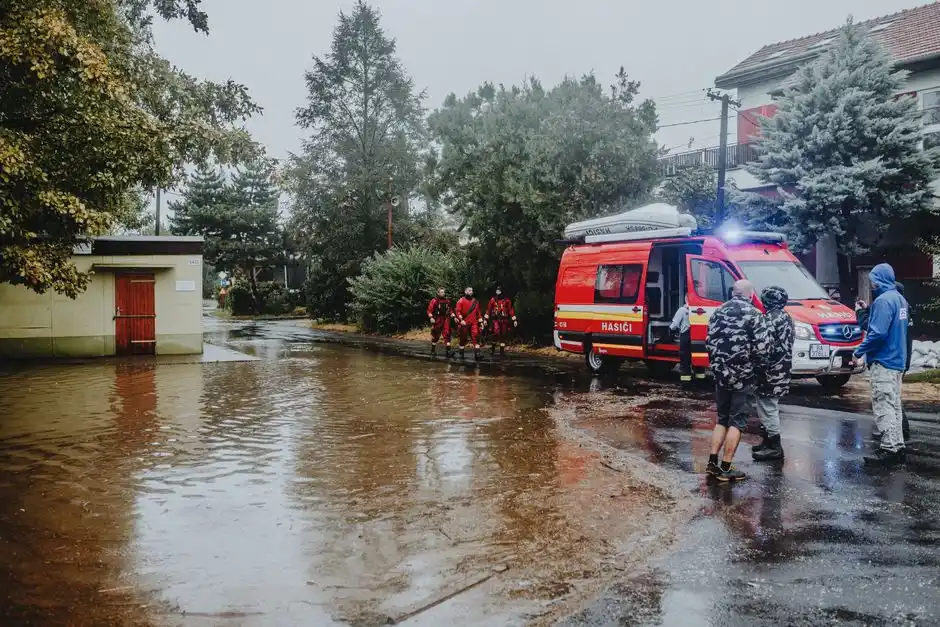
emergency water removal
Emergency water removal is the 24/7 call for standing water, and it runs on the same equipment as our rapid water extraction Westlake Village CA service. Same crew, same response window.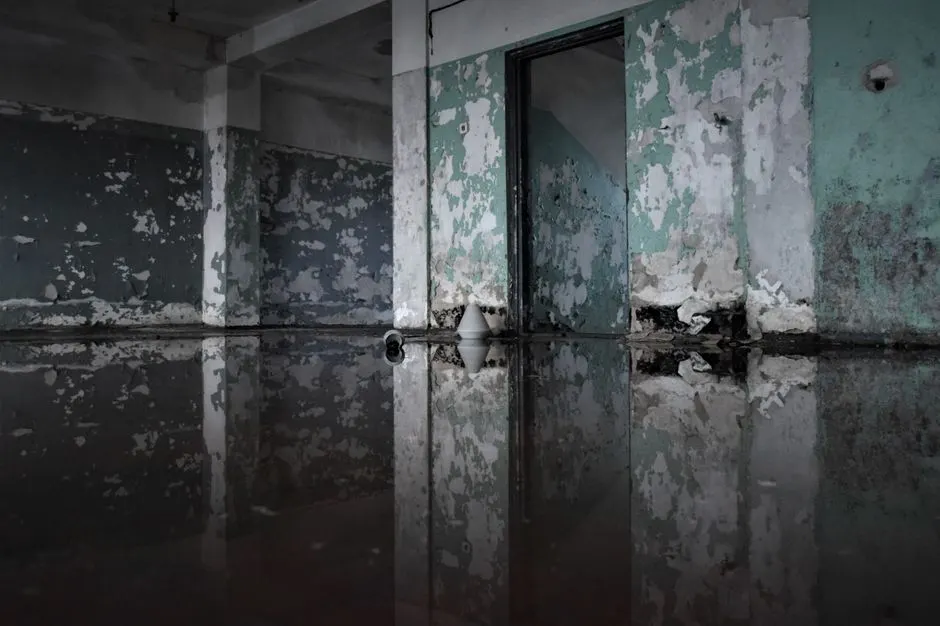
mold remediation after water damage
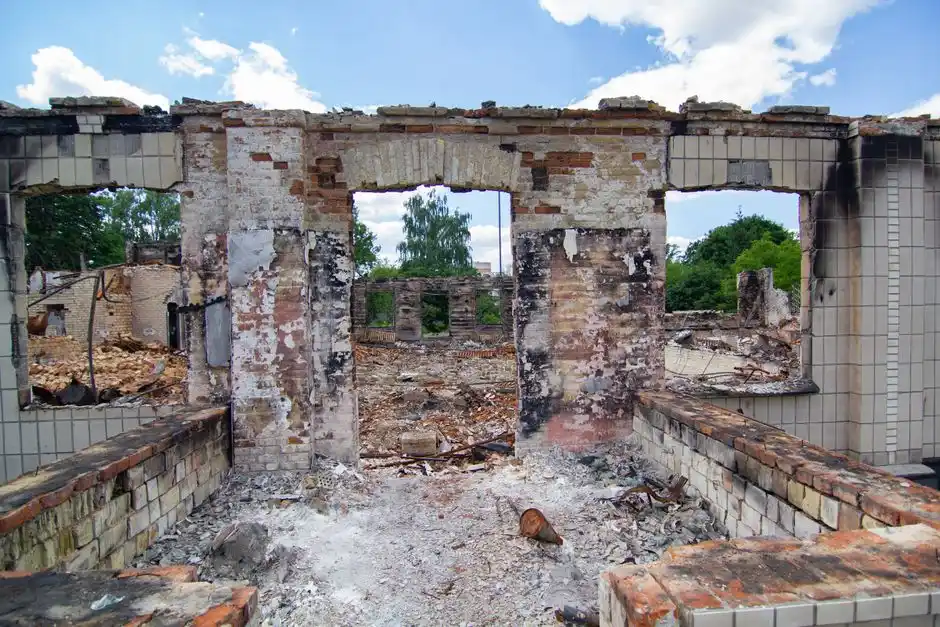
If water sat too long before extraction, mold remediation after water damage handles the growth in drywall, insulation, and framing. We contain the area and follow ANSI/IICRC S520.Ready when you are
Get rapid water extraction Westlake Village CA started now
Water spreads while you wait. Call and a crew heads your way with extraction units, air movers, and dehumidifiers. We answer 24/7 and serve all of Westlake Village and Los Angeles County.
Talk with the local team
Request rapid water extraction
We answer the phone 24 hours a day, including weekends and holidays. Call (833) 321-7153 and a live dispatcher will get a crew moving to your address, usually within 45 to 60 minutes anywhere in Westlake Village and the surrounding Los Angeles County area.